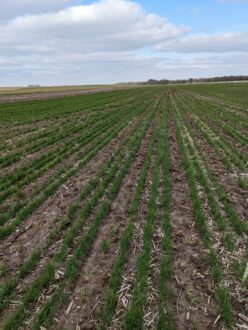
In the Big Blue and Little Blue River watersheds of Kansas and Nebraska, producers face challenges when managing soil erosion and nutrient runoff from corn-soy rotations. To address this, researchers and local producers are testing a promising, proactive solution: integrating perennial groundcovers (PGCs) like Kentucky bluegrass directly into row crops.
To put this into practice, Brandon Schlautman at The Land Institute and a group of farmers have been evaluating whether PGCs can deliver long-term farm sustainability as a cost-effective alternative to traditional cover crops.
Key Findings: Drought Challenges & Promising Yields
Supported by a $39,691 NCR-SARE Partnership grant, Schlautman and four farmers spent three growing seasons (2023–2025) testing cash crop performance in PGC systems. Using the cooperating producers' standard planters and strip-till equipment, the team demonstrated how PGCs could fit into existing farming operations. They learned some important lessons for producers interested in integrating PGCs:
- The Drought Barrier is Real: The most significant hurdle was successfully establishing PGCs. Severe drought during the planting periods in Fall 2022 and Spring 2023 led to failed establishment in the Kansas plots. They learned that establishment protocols must be tailored to handle moisture extremes.
- Promising Yields: In Nebraska, the Kentucky bluegrass PGC was successfully established, and the 2023 corn crop performed well. The corn planted with the managed PGC yielded 225.4 bushels per acre, almost meeting the conventional control's yield of 229.5 bushels per acre. Soybeans grown with Kentucky bluegrass yielded 72.6 bushels per acre, while the control plots yielded 75.8 bushels per acre.
Actionable Recommendations for Producers
The farming community showed interest in the work; more than 200 farmers and 30 agricultural professionals participated in outreach activities to learn more about these perennial systems.
The team shared that while PGCs can be a viable conservation tool, the successful integration requires careful management:
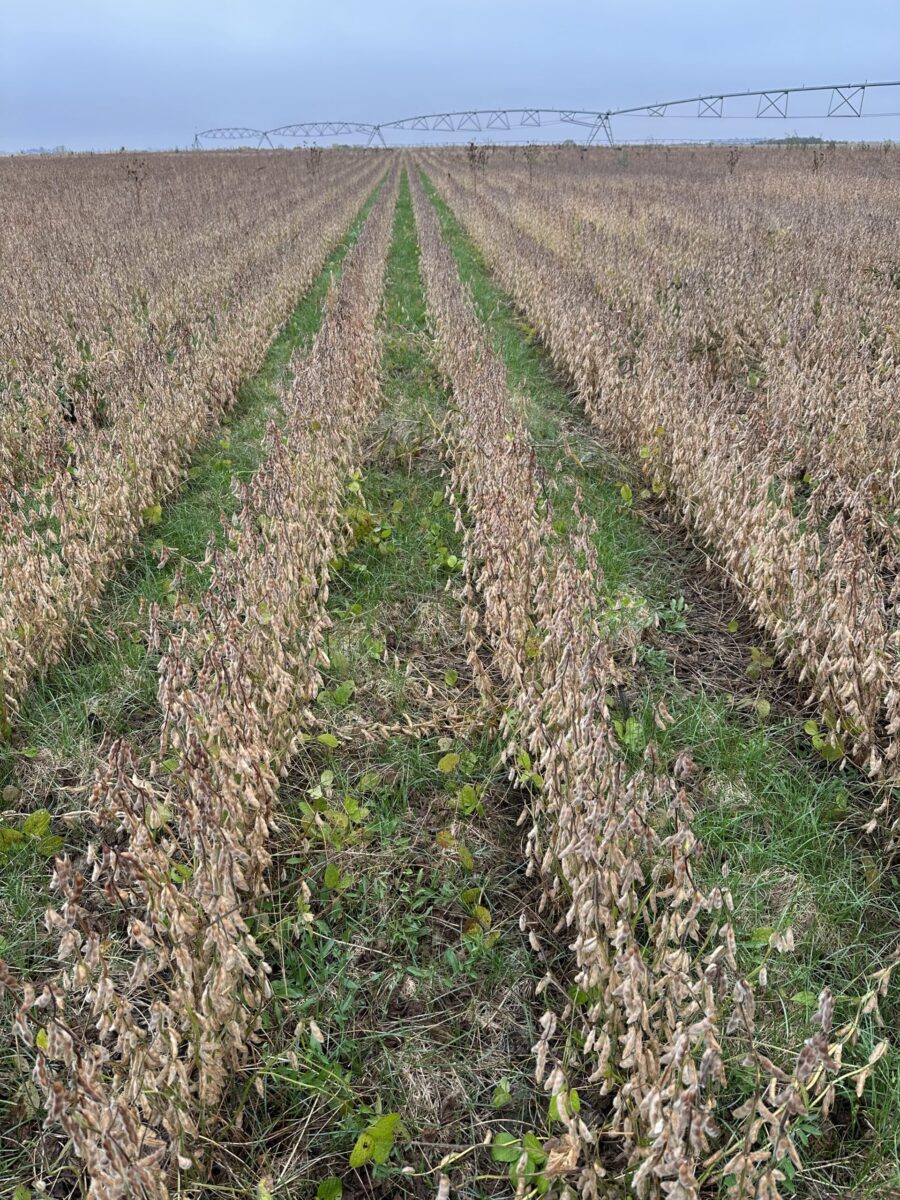
- Prioritize Establishment: Recognize that moisture is the primary challenge. Future attempts should investigate techniques such as the strategic use of no-till drills or irrigation to ensure the PGC gets a strong start and minimizes risk.
- Focus on the Long-Term Payoff: Conservation benefits such as improved soil health, reduced erosion, and lower nutrient loss can be appealing. Producers should track and quantify the long-term economic benefits of reduced tillage passes and lower fertilizer needs to realize the full benefit.
- Refine Management: Success hinges on balancing the PGC's soil-protecting role with competition for water and nutrients. Producers should develop optimal management and termination strategies for their specific climate and operation.
- Soybean Seed Selection Matters: Producers can successfully grow high-yielding soybeans in a Kentucky bluegrass groundcover, but they will need to choose soybean varieties bred or proven to handle the unique competition of a living groundcover.
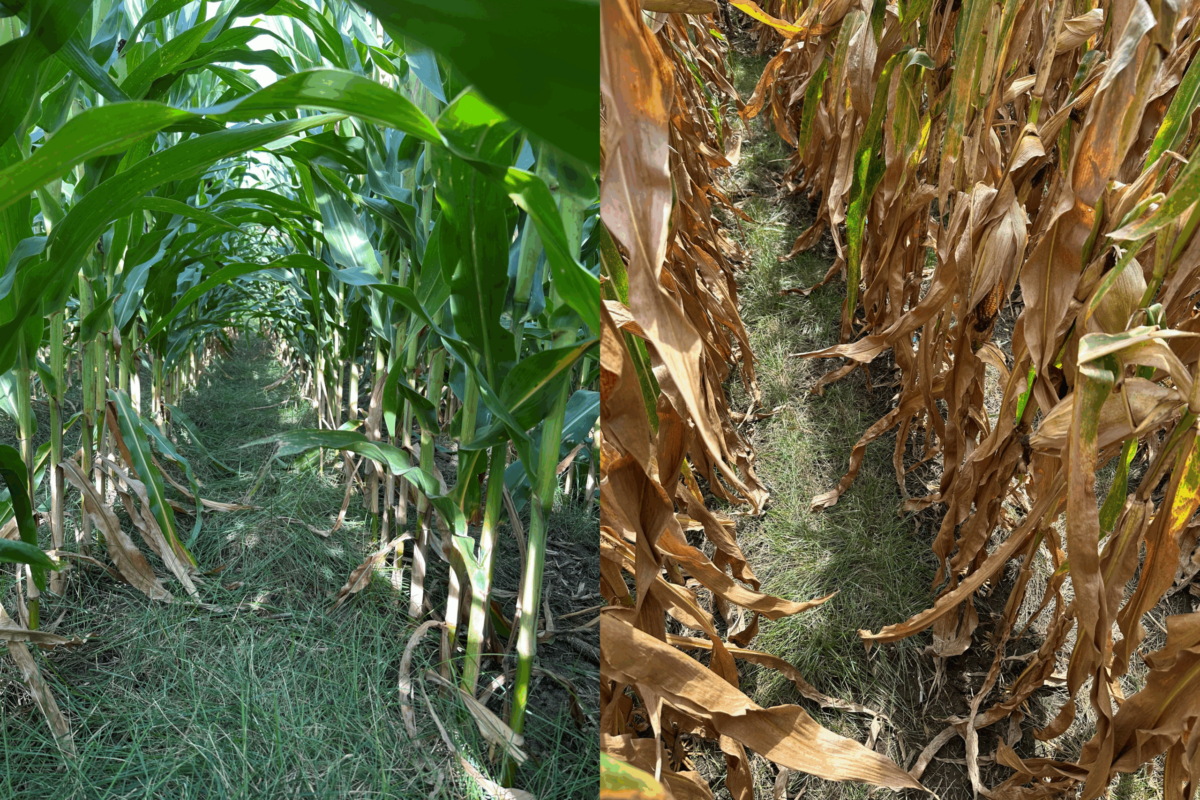
Success with Perennial Groundcovers
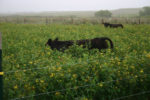
A mixed crop–livestock farmer in south-central Nebraska adopted a Kentucky bluegrass perennial groundcover (PGC) system after attending multiple field days, driven by the specific operational need for accessible, high-quality spring forage near his handling facilities for replacement heifers during artificial insemination. His plan involved lightly grazing the PGC in early spring before suppressing the groundcover, strip-tilling, and planting corn, accepting a modest yield reduction because the system successfully met a critical livestock management requirement.
"For this producer, the value of perennial groundcover was not farm-wide adoption but a targeted use case that offered labor savings, better cattle handling logistics, and an additional quality forage source while still allowing the field to remain in crop production," said Schlautman. "This example reflects how farmers can integrate perennial groundcover into their operations when the system meets a clearly defined need.”