Explore how SARE's farmer-driven research benefits American producers.
Showing 1-20 of 151 results
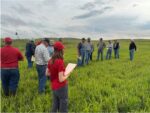
Filling the Gap: Identifying High-Performing Summer Forages in the Nebraska Sandhills
A group of Nebraska farmers has been evaluating summer forage mix options to improve forage production, feed quality, and soil health.
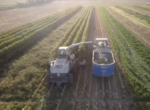
Quality Forage with Alfalfa-Corn Silage Intercropping
In Wisconsin, Hurtgenlea Holsteins has been working with an alfalfa-corn silage intercropping system for ruminant forage.
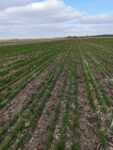
Perennial Groundcovers in Corn and Soy Systems
Perennial groundcovers, also known as perennial cover crops, could be an economically viable strategy to limit soil and nutrient loss for row crop producers.

Diversifying Vegetable Production and Sales with Chicory Crops
Waxwing Farm in has been growing and evaluating the feasibility of radicchio and endive as season extension crops in Minnesota.
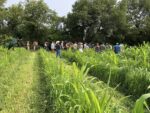
Utilizing Cover Crops in Wide Row Corn
Bob Recker has been planting multi-species cover crops planted between wide corn rows to help improve soil health, suppress weeds, and boost nutrient cycling.
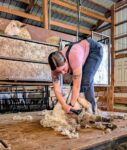
Regional Shearing Schools Cut Costs, Build Skills across the Plains
To address the shortage of professional shearers, six regional shearing schools trained 79 Northern Plains producers and youth in hands-on shearing and equipment maintenance, allowing small-flock owners to cut input costs and launch local businesses.
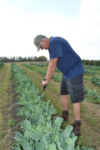
Breaking the Cycle: Tackling Thistle and Compaction with No-Till
Sandy and Lonny Dietz used a SARE grant to identify which no-till methods could best support their diverse, organic vegetable operation.
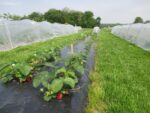
Tunnel Systems Offer Regional Strawberry Growers a Path to Resilience
Researchers at Purdue University have been working to determine if tunnel-based systems and plasticulture could stabilize yields and improve profitability for local strawberry growers.
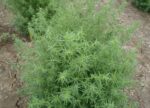
Battling Herbicide-Resistant Weeds with Cover Crops
Fall- and spring-planted cover crops could suppress weeds in wheat–sorghum–fallow systems.
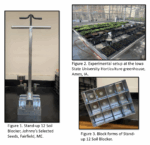
Research Unearths Information about Soil Blocks
A team in Iowa explored an innovative way for farmers to reduce the need for plastic trays by creating planting media in a compressed block.
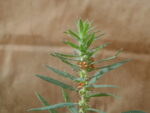
Cover Crops for Weed Control in the Semiarid Central Great Plains
Research in Kansas shows fall- and spring-planted cover crops could suppress weeds in wheat–sorghum–fallow systems.
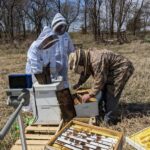
Iowa Beekeeper Advances Beekeeping Education with SARE Grants
With support from SARE, Julia McGuire has been enhancing beekeeping education and promoting sustainable business practices in Iowa.

Raising Brix to Beat the Bugs: An Organic Strategy for Grasshopper Control
North Dakota farmer Glendon Philbrick is working to increase Brix levels—the sugar content in plant sap—as a strategy for managing grasshoppers.
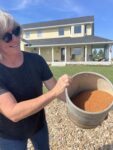
Experimenting with Camelina: A Farmer-Led Look at Rotation, Oil, and Opportunity in South Dakota
In South Dakota, Art and Jennifer Walker have been exploring winter camelina as a sustainable rotational crop alternative.
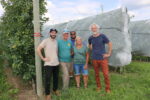
Netting for Better Apples: A Sustainable Alternative to Thinning and Pest Control
In Michigan, researchers and apple growers have been testing the use of exclusion netting as a non-chemical thinning method.
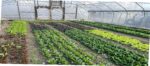
Winter High Tunnel Salad Mix Varieties Tested
Franklinton Farms tested different types of salad and lettuce greens to see which grew best in their high tunnel in Ohio. The goal was to find top performers for small-scale growers.
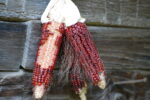
Heirloom Corn Brings Flavor and Potential to Craft Distilling in Illinois
In Illinois, farmers and researchers investigated the potential of growing heirloom corn varieties specifically for use in craft spirits production.

Bringing Burgundy Truffles to Indiana
Mimi and Evan Kokosaka are developing Indiana's first large-scale truffle orchard, cultivating Burgundy truffles with oak seedlings.
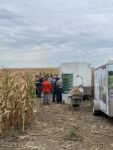
Cedar Valley Innovation Advances Wide Row Cover Crop Practices in Iowa
In Iowa, Bob Recker has been comparing cover crop vigor in wide (60'' or 90'') row corn plots versus traditional (20'' or 30'') row plantings.

Tenth Street Orchard Tests Sustainable Strawberry Production Methods in Kansas
With SARE support, Tenth Street Orchard compared soil health and profitability of annual plasticulture and a combination plasticulture/matted-row system for strawberry production in central Kansas.