Showing 1-20 of 34 results
Fact Sheet: Weed Management in Organic Grain Systems
This fact sheet outlines a range of approaches to weed management in organic grain systems. It introduces the concept of using “many little hammers” by combining multiple strategies, including crop rotation, cover cropping, variety selection, fertility management, and cultivation. The resource also describes different equipment and techniques for managing weeds throughout the growing season and […]
Outreach in Action: Solving Problems with Cover Crops
This video demonstrates how conservation professionals can apply social science and behavior change principles to agricultural outreach. The Kankakee County Soil and Water Conservation District in Illinois shares its approach to developing soil health events around the specific problems and motivations of local farmers. A farmer describes how cover crops have helped address challenges on […]
Grazing Sheep in Christmas Trees
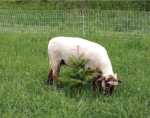
This guide was developed by Michigan growers for implementing weed control in Christmas tree plantations with Shropshire sheep.
Filling the Gap: Identifying High-Performing Summer Forages in the Nebraska Sandhills
A group of Nebraska farmers has been evaluating summer forage mix options to improve forage production, feed quality, and soil health.
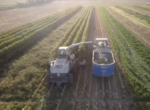
Quality Forage with Alfalfa-Corn Silage Intercropping
In Wisconsin, Hurtgenlea Holsteins has been working with an alfalfa-corn silage intercropping system for ruminant forage.
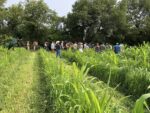
Utilizing Cover Crops in Wide Row Corn
Bob Recker has been planting multi-species cover crops planted between wide corn rows to help improve soil health, suppress weeds, and boost nutrient cycling.
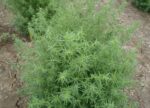
Battling Herbicide-Resistant Weeds with Cover Crops
Fall- and spring-planted cover crops could suppress weeds in wheat–sorghum–fallow systems.
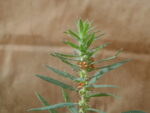
Cover Crops for Weed Control in the Semiarid Central Great Plains
Research in Kansas shows fall- and spring-planted cover crops could suppress weeds in wheat–sorghum–fallow systems.
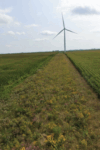
Resources and Case Studies for Implementing Prairie Strips Across the Midwest
Compared to other Conservation Reserve Program practices, prairie strips (CP43) offer many advantages. Prairie strips can be placed both within fields and along their edges. Planting 10% of fields to prairie strips can reduce sediment and nutrient loss. The practice is flexible, with the option of driving on strips when needed for farm operations. And […]
Rotational Grazing with Cover Crops Case Studies
Since rotational grazing of cover crops is not a common practice, to address some of the current questions from farmers in the upper Midwest, the Sand County Foundation of Wisconsin partnered with the Sauk Soil and Water Improvement Group and the University of Wisconsin-Madison to explore short-term agronomic and environmental costs and benefits of managed […]

Organic Field Crop Production Videos
The following videos walk farmers through sustainable concepts and practices for organic weed control, including crop rotations and cultivation techniques. The videos highlight farmer perspectives on these topics and are part of a larger organic field crops course, available at https://courses.organicagronomy.org. Designing a Crop Rotation The concept of crop rotation is not new to organic […]
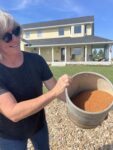
Experimenting with Camelina: A Farmer-Led Look at Rotation, Oil, and Opportunity in South Dakota
In South Dakota, Art and Jennifer Walker have been exploring winter camelina as a sustainable rotational crop alternative.
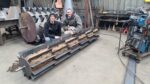
South Dakota Innovators Build Affordable DIY Roller-Crimper
Ryan Schmid with the Ecdysis Foundation worked with farmers in South Dakota on a do-it-yourself guide and videos for repurposing a disc into a low-cost roller-crimper.
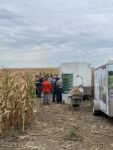
Cedar Valley Innovation Advances Wide Row Cover Crop Practices in Iowa
In Iowa, Bob Recker has been comparing cover crop vigor in wide (60'' or 90'') row corn plots versus traditional (20'' or 30'') row plantings.
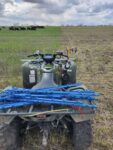
Exploring the Potential of Cover Crop Grazing in Kansas
Cover Crop Grazing: temporary electric cross fencing was used to control grazing areas and was moved regularly in an on-farm cover crop grazing intensity study in Kansas. Photos courtesy of Logan Simon.

Video Series Highlights How Different Field Practices Impact Moisture and Temperature
Researchers at Ohio State University conducted a multi-year study using soil moisture and temperature sensors to compare the effects of conventional tillage, no-till, and no-till with cover crops on field conditions.
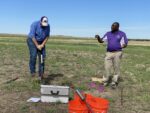
Producer Partnerships Demonstrate the Benefits of Integrated Systems: Increased Profits and Soil Health
A recent North Central SARE Research and Education grant in Kansas demonstrated how integrating crops, livestock and cover crops could help some producers offset revenue loss and failing crops.
Pollinator-Friendly Cover Cropping for Vegetable Producers in the Upper Midwest
Growers are increasingly interested in adding cover crops to rotations to improve soil health, break disease cycles, and provide ecosystem services. In addition to these benefits, cover crops present an opportunity to add crucial floral resources and habitat for pollinators and other beneficial insects on the farm. However, identifying appropriate cover crop species and management […]
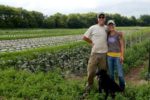
Using Cover Crops to Reduce Plasticulture
Dana and Karin Jokela are working to reduce their use of plasticulture with cover crops.
Spring-Grazing Cover Crops with Nebraska’s Knuth Farms
When a fourth-generation farm in Mead, Nebraska began to diversify their primarily cash crop operation in 2012, they gave some thought to cover crops and livestock. Knuth Farms didn’t want to buy cattle or become beef producers, but they did want to diversify their income stream, capture some of the soil benefits of cover crops, […]