Showing 1-16 of 16 results
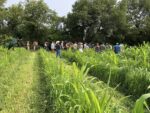
Utilizing Cover Crops in Wide Row Corn
Bob Recker has been planting multi-species cover crops planted between wide corn rows to help improve soil health, suppress weeds, and boost nutrient cycling.
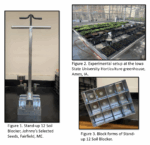
Research Unearths Information about Soil Blocks
A team in Iowa explored an innovative way for farmers to reduce the need for plastic trays by creating planting media in a compressed block.
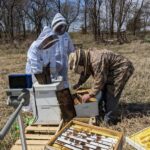
Iowa Beekeeper Advances Beekeeping Education with SARE Grants
With support from SARE, Julia McGuire has been enhancing beekeeping education and promoting sustainable business practices in Iowa.
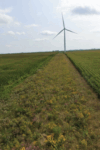
Resources and Case Studies for Implementing Prairie Strips Across the Midwest
Compared to other Conservation Reserve Program practices, prairie strips (CP43) offer many advantages. Prairie strips can be placed both within fields and along their edges. Planting 10% of fields to prairie strips can reduce sediment and nutrient loss. The practice is flexible, with the option of driving on strips when needed for farm operations. And […]
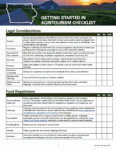
Getting Started in Agritourism Checklist
This checklist guides agritourism business owners through best management practices when hosting on-farm visitors. It was developed by Iowa State University. It includes sections on legal considerations, food regulations, visitor accommodations, farm emergency preparedness, biosecurity, pesticide safety, public play area safety, employee management and marketing practices.
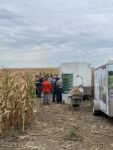
Cedar Valley Innovation Advances Wide Row Cover Crop Practices in Iowa
In Iowa, Bob Recker has been comparing cover crop vigor in wide (60'' or 90'') row corn plots versus traditional (20'' or 30'') row plantings.

New Podcast Series Explores “The Art of Climate Dialogue”
A new podcast series out of Iowa features conversations with farmers, artists, researchers, and activists discussing climate and agriculture in Iowa.
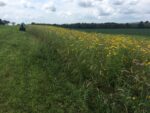
Prairie Strips as a Farmland Conservation Practice
Farmers and researchers in Iowa have been planting prairie strips in their crop fields to help reduce surface runoff.
Iowa Meat Processors’ Resource Guidebook
A guide to building, upgrading or expanding a small meat processing facility in Iowa.
Creating Change in the Food System: The Role of Regional Food Networks in Iowa
In Creating Change in the Food System, the authors present a case study of an integrated effort to build long-term local and regional food commerce in Iowa using a community of practice approach. This report, authored by Rich Pirog of Michigan State University's Center for Regional Food Systems and Corry Bregendahl of the Leopold Center for Sustainable Agriculture […]

Virtual Field Day Tips and Tricks
NCR-SARE has two recorded webinars for SARE grantees about hosting virtual field days.
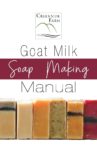
Goat Milk Soap Making Manual
This 38-page manual was created to be used in Goat Milk Soap Making workshops and as a tool for producers interested in making goat milk soap. It was developed by Krista Duval of Creekside Farms in 2017, as part of a SARE-supported project to amplify specialty dairy opportunities for local producers and food entrepreneurs in Appalachia Ohio.
Iowa Farmer Mechanizes Planting and Maintenance Tasks in Vegetables with Companion Plants
The Genuine Faux Farm, operated by Rob and Tammy Faux since 2004, is a small family operation that grows a wide variety of vegetables that are sold and distributed to about 120 community supported agriculture (CSA) customers. Produce also is sold via farmers’ markets and direct sales to a daycare, retirement center, and grocery store. […]
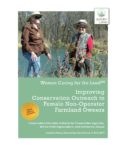
Women Caring for the Land: Improving Conservation Outreach to Female Non-Operator Farmland Owners Curriculum Manual
With the help of an NCR-SARE Research and Education Grant and funding from other sources, WFAN developed an award winning curriculum called Women Caring for the LandSM (WCL), which is designed to serve female non-operator landowners who are interested in learning more about conservation and other land management topics. The materials are also appropriate to teach youth about sustainable agriculture through hands-on conservation activity lesson plans.
Woodchip Bioreactors for Nitrate in Agricultural Drainage
Woodchip bioreactors, installed at the edge of agricultural fields, can remove 15 to 60 percent of the nitrate in tile-drained water annually. This innovative approach for protecting the water quality in Midwest streams and rivers is described in a new fact sheet available from Iowa State University.
Considering Sustainable Agriculture on Your Rented Land
Using sustainable agriculture practices on your rented land can help protect soil and water quality, increase income over the long term, and satisfy personal values for the landowner and/or the tenant.