Showing 1-13 of 13 results
Native Bee Habitat Management on Urban Farms in the Great Lakes Region
This pocket guide was designed to help urban growers manage pollinator habitat on farms in the Great Lakes Region.
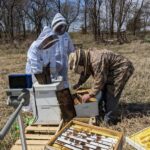
Iowa Beekeeper Advances Beekeeping Education with SARE Grants
With support from SARE, Julia McGuire has been enhancing beekeeping education and promoting sustainable business practices in Iowa.
Diagnostic Tools for Honey Bee Diseases
Diagnostic Tools for Honey Bee Diseases is an interactive website designed to train beekeepers and veterinarians in honey bee medicine. It includes photos of honey bee diseases and clear instructions for known diagnostic methods for honey bee disease. Lessons include step by step instructions, common mistakes and even fun games to solidify learning objectives. This […]

Beekeeping in Northern Climates Manual and Guidebook
The "Beekeeping in Northern Climates" Manual and Workbook are companion resources created by the University of Minnesota's Bee Lab to help beekeepers understand and apply region-specific best practices. Beekeeping in Northern Climates Manual The third edition of Beekeeping in Northern Climates is a manual from the University of Minnesota Bee Lab for both new and experienced beekeepers […]
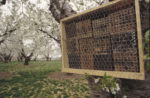
Blooms for Mason Bees
With support from SARE, the Osmia Bee Company in Ohio is designing a seed mix to support springtime pollinators — particularly mason bees. They developed a guide with the intention that the information could be used as a starting point and adapted for other field trials. This project leverages the rich collaborative network maintained by […]
Generating Income from Pollinator Habitat on an Urban Farm
Mark Brannen of Benson Bounty in Omaha, Neb., used a SARE Farmer Rancher grant to establish native plant habitat on his 0.75-acre urban farm and assess what revenue stream he could get by selling cut flowers.
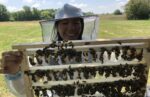
Improving Honeybee Queen Quality and Diversity in Ohio
Hongmei Li-Byarlay is working to improve the quality and quantity of queen bee production in Ohio.

Maximizing Pollinator Protection and Natural Pest Suppression in Minnesota Fruit and Vegetable Crops
Eric Middleton knows that beneficial insects can provide ecosystem services to agriculture, ranging from pollination to pest suppression. As a graduate student at the University of Minnesota, Middleton received a $12,000 NCR-SARE Graduate Student grant to compare how floral plantings in the margins of conventionally managed potato fields affect pollinator and predator abundance and richness, as […]

Developing a Method to Capture and Authenticate Single Varietal Honey on Diverse Landscapes
Between April and May the apple orchards and fields at Curtis Orchard and Pumpkin Patch in Champaign, Illinois boast plenty of blossoms for hungry pollinators. Curtis is part of an Illinois centennial farm, founded in 1873, offering apples, pumpkins, honey, and a variety of agritourism adventures. All fun aside, they’re quite serious about sustaining their […]
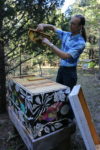
Missouri Beekeeper Uses Horizontal Hives and Local Bees for Increased Sustainability
With SARE support, Leo Sharashkin has been able to share information about starting an apiary with wild local bee stock, using bee-friendly, do-it-yourself hive models, and simple, accessible management techniques.
Beekeeping
Beekeepers are stewards of an essential resource; the plants that bees pollinate constitute more than 30 percent of the food we eat and the beverages we drink. While the role of alternative pollinators is vital, bees continue to provide an important service to agriculture in our region. From research projects about Colony Collapse Disorder, to educational programs around beekeeping, to innovative hive designs, NCR-SARE has funded a wide variety of grants to help beekeepers.
Alternative Pollinators
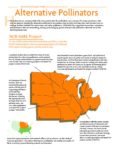
Honeybee losses compounded with rising rental rates for pollination are a concern for many producers. Not only are growers looking for alternative pollinators to improve crop security, but they also want to learn how to manage on-farm habitats for native bees and other pollinators. NCR-SARE has supported researchers, educators, and producers who are researching, rearing, and managing species that provide pollination alternatives to the declining honey bee.
Spring Wild Bees of Wisconsin Online Identification Guide
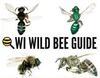
The Spring Wild Bees of Wisconsin online guide is designed to help users identify wild bees commonly found in Wisconsin in the spring and early summer by their color, shape, size, and habitat. Users can learn to distinguish among different types of bees and learn about the important roles they play in nature and agriculture.