Showing 61-80 of 112 results

Development of a Cooperative Food Distribution Model for Small Farms
Monica Bongue owns Muddy Fork Farm in Wooster Ohio, a certified organic farm for over 15 years, where she produces vegetables, chickens, ducks, sheep, and goats. She wanted to expand her marketing which consisted of direct sales through farmers’ markets and a small, on-farm CSA. Along with a number of other small, local producers, Bongue […]

Green Tools: Improving Sustainability by Integrating New In-Row Cultivation Equipment and Competitive Cultivars
Several states across the North Central region including Illinois, Indiana, Iowa, Michigan, Minnesota, Missouri, Ohio, and Wisconsin are commonly referred to as the “corn belt” due to the vast amounts of corn they produce, but did you know that Michigan, Minnesota, and Wisconsin are among the top ten vegetable-producing states in the country (USDA-NASS 2018)? […]
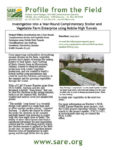
Investigation into a Year- Round Complimentary Broiler and Vegetable Farm Enterprise using Mobile High Tunnels
From improving soil health to diversifying income streams on the farm, vegetable growers have plenty of reasons for adding poultry to their farms. Amy Surburg of Berry Goods Farm in Morristown, Indiana, wanted to integrate poultry production with winter vegetable production, and she wanted to build a hybrid mobile coop/greenhouse that could be used for […]
Optimal Flock Size for Pasture Raised Layers
A number of growers, especially those on small or mid-scale diversified farms, are choosing to raise poultry in alternative ways, many of them reliant upon pasture. Aaron Brower, along with his wife Mary, own and operate Bluestem Farm, a diversified, 4-season farm in Northern lower Michigan. They raise certified organic vegetables on 10 acres. They […]

Feasibility, Planning, and Purchase of Mobile Processing Unit (MPU)
Pasture poultry, with its quick turn-around and minimal equipment needs can be attractive to small farmers looking to diversify their farming operations. Chris Sramek is a pasture poultry producer and a member of the High Plains Food Co-op (HPFC); in 2013, customer interest in their poultry was so high that the producer members were unable […]

Evaluating the Roller-Crimper for Cover Crops in Corn and Soybean Terraced Ground
The beauty of the rolling hills in Northwestern Missouri can be downright dazzling. But these rolling hills, which captivate with their natural grace, also present a unique set of challenges for the producers who live and work there. Many farmers utilize a practice known as terracing to prevent erosion and surface runoff in their fields. […]

Developing a Method to Capture and Authenticate Single Varietal Honey on Diverse Landscapes
Between April and May the apple orchards and fields at Curtis Orchard and Pumpkin Patch in Champaign, Illinois boast plenty of blossoms for hungry pollinators. Curtis is part of an Illinois centennial farm, founded in 1873, offering apples, pumpkins, honey, and a variety of agritourism adventures. All fun aside, they’re quite serious about sustaining their […]
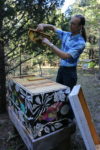
Missouri Beekeeper Uses Horizontal Hives and Local Bees for Increased Sustainability
With SARE support, Leo Sharashkin has been able to share information about starting an apiary with wild local bee stock, using bee-friendly, do-it-yourself hive models, and simple, accessible management techniques.
Cover Crop-based Reduced Tillage for Fall Production of Cabbage,Cauliflower and Broccoli Using a Roller-Crimper and No-Till Planting Aid
Cover crops can reduce erosion, improve soil health, slow weeds, enhance nutrient and moisture availability, control pests, and offer other benefits to vegetable producers. After vegetable grower, Thomas Ruggieri, planted cover crops on his farm in rural Clay County, Missouri in 2004, he noticed dramatic improvement in soil fertility and plant health. Ruggieri and Rebecca […]
Economics of Grazing and Haying Cover Crops in North Central Kansas
Grown on an estimated 10 million acres across the country, cover crops are becoming an indispensable part of crop rotations. To maintain this momentum, the development of reliable information at the local level—how to craft a diversified rotation that pays—needs to keep pace with growth in farmers’ interest. That is what motivated Josh Roe to […]

Apples for Artisanal Cider: Understanding the Characteristics of Single Varietals
In 55 B.C., when the Romans reached England, they noticed villagers drinking an alcoholic apple drink. Many years and pints later, in the United States alone, hard cider production increased from 0.8 million gallons in 2007 to 5.2 million gallons in 2012 (Alcohol and Tobacco Tax and Trade Bureau, 2013). A couple of the producers who […]
Development of Cost and Labor Effective Produce Sanitation Methods for Small Farms
With programs like Good Agricultural Practices (GAP), Good Handling Practices (GHP), and the Food Safety Modernization Act (FSMA), producers have a more proactive role in minimizing food safety hazards potentially associated with fresh produce. Cucumber producer Carloyn Orr says increasingly, local grocery stores are requiring wash and sanitizing of produce, regardless of farm size. Orr […]

Marcoot Jersey Creamery Comprehensive Food Safety Program
When the Food Safety Modernization Act (FSMA) was passed in 2011, farmers across the country recognized a need to develop a food safety plan. Marcoot Jersey Creamery in Greenville, Illinois was no exception. In 2013, Marcoot family member, Beth Marcoot, applied for and received a $7,495 NCRSARE Farmer Rancher grant to develop a food safety […]

Growing Mushrooms on Local Agricultural Byproducts
Mushroom-growing seems to be increasing in popularity for producers who are looking to diversify their crop production strategy. The value of sales for commercially-grown specialty mushrooms in 2015-2016 totaled $95 million, an increase of 30 percent from the 2014-2015 season (USDA-NASS, 2016). Wakarusa Valley Farm is a family farm that cultivates organic vegetables, fruits, and […]

Tomato Variety Trials for Flavor, Quality, and Agronomic Performance
From farmers markets to sandwich shops, tomatoes have a ubiquitous presence in America’s food landscape; in fact, the United States is the second-most leading producer of tomatoes in the world (only China produces more). In terms of annual farm cash receipts, fresh and processed tomatoes account for more than $2 billion, and tomatoes are the […]
Beekeeping
Beekeepers are stewards of an essential resource; the plants that bees pollinate constitute more than 30 percent of the food we eat and the beverages we drink. While the role of alternative pollinators is vital, bees continue to provide an important service to agriculture in our region. From research projects about Colony Collapse Disorder, to educational programs around beekeeping, to innovative hive designs, NCR-SARE has funded a wide variety of grants to help beekeepers.
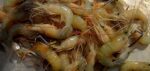
Producer Raises Prawns for Ohio Locavores
With support from SARE, Don Mahoney is making freshwater prawn production more sustainable in Ohio.
Minnesota Researchers Spill the Beans on Pulses
When the United Nations announced that 2016 would be the “International Year of Pulses,” Craig Sheaffer wasn’t surprised. An agronomist with a bent toward organics, Sheaffer researches perennial native and introduced legumes, grasses, and woody species at the University of Minnesota (U of MN). He was well aware that pulses (also known as grain legumes), such […]
South Dakota Rancher Explores Sustainable Livestock Fly Control
Linda Simmons is a cattle rancher in Twin Brooks, South Dakota. Beef and sheep producers in northeastern South Dakota depend largely on native rangeland, and there are several species of flies that can cause serious economic losses there. Several years ago, Simmons experienced a failure with her feed-through insecticide plan. “We had a terrible incident of […]
Big Bluestem Management Using High Density/Short Duration Grazing
Big Bluestem is a warm season, perennial bunchgrass with blue-green stems four to eight feet tall. It has been referred to as “ice cream for cows.” Leslea and Brad Hodgson own and operate Root Prairie Galloways, where they raise Galloway beef cows and have big bluestem pastures that they want to protect from the encroachment […]